Cable Solutions · Electrical Cables
EHV/MV overhead covered conductors
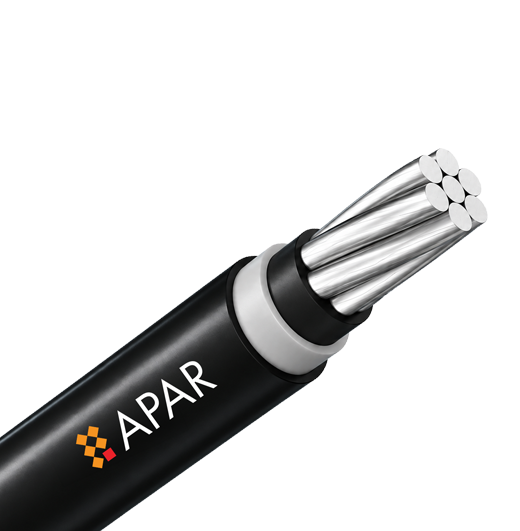
EHV and MV covered conductors for overhead lines in congested corridors.
Voltage range11 kV to 132 kV
Conductor size100 – 400 mm²
Conductor typesAAAC, ACSR, ACSS, AL59 ACS
Operating temperatureUp to 95°C (AL59 ACS to 105°C)
✓ 11 – 132 kV
✓ EN 50397-1
✓ Anti-tracking
✓ Type tested CPRI / ERDA
Description
OverviewThe challenges faced by utilities in installed overhead bare conductors include outages due to temporary tree obstructions, conductor clashing due to corrosion, wide Right of Way (ROW), electromagnetic field effects on electronic surveillance and safety (road /rail/river crossings/slums/congested residential areas). Covered conductors provide protection from flash overs caused by the clashing of conductors, bird/animal disturbance, fallen tree branches and debris, especially during severe weather and high pollution. Covered conductors are the cheaper alternative to underground (UG) cables and High Transmission Aerial Bunched (HTAB) cables. Covered conductors are practically maintenance free for an estimated 30+ years, and are easy to install on a network of bare conductors without changing poles, cross arms and insulators in the same span. They provide the assurance of 24×7 power. Applic
Covered conductors reduce outages caused by tree contact and accidental touch. Specified for forest, railway, road and congested residential crossings where bare conductors are unsuitable.
Why this wire
Key benefits 11 to 132 kV Six voltage classes: 11, 22, 33, 66, 110 and 132 kV.
AL59 ACS conductor 15% to 20% more ampacity than ACSR at the same sag and lower working tension.
Anti-tracking jacket Resists arc, corrosion, fungal growth, oil, humidity, pollution and salt.
Self-supporting spans 60 to 70 metre pole spans; no messenger conductor needed.
Fewer outages No faults from clashing conductors, branches or creepers.
Type tested Tested at CPRI Bengaluru and ERDA Vadodara; AL59 ACS tested by GUVNL and IIT Gandhinagar.
Characteristics
At a glance| Application | MVCCs are an ideal and safe solution for power lines through forests, dense vegetation, wildlife sanctuaries, rivers, lakes, railway and road crossings, slums, congested residential areas, industrial and polluted areas. |
|---|---|
| Characteristics | APAR’s covered conductors are designed as per EN50397-1. They consist of longitudinally water-tight conductors with a triple extruded semiconducting layer, inner pure XLPE layer, and an outer XLPE layer that is UV and track-resistant. |
| Applicable standards | SS-EN 50397-1, BS EN 50182, IS 398-2, IS 398-4 and IEC 61089. Type tested at CPRI Bengaluru and ERDA Vadodara. |
| Product range | Single core covered conductors from 100 mm² to 400 mm², in AAAC, ACSR, ACSS and AL59 ACS. Available at 11, 22, 33, 66, 110 and 132 kV. |
| Advantages | With APAR’s covered conductors, interruptions on transient faults are rare: for instance, falling tree branches, creepers. Typically, these constitute a majority of faults in overhead distribution lines. As a result there are fewer power shut downs. (The branches and trees can always be cut or moved away).Moreover, there are no faults caused by clashing of phase conductors during winds and storms, and reduced tower-related costs due to reduced phase-to-phase conductor distance. |
| Accessories | Suspension clamps, insulation piercing connectors (covered-to-covered, bare-to-covered and tapping), anchoring/dead-end clamps and pre-insulated aluminium alloy junction sleeves. All accessories comply with EN 50397-2 and are rated −30°C to 70°C. |
Construction
Cutaway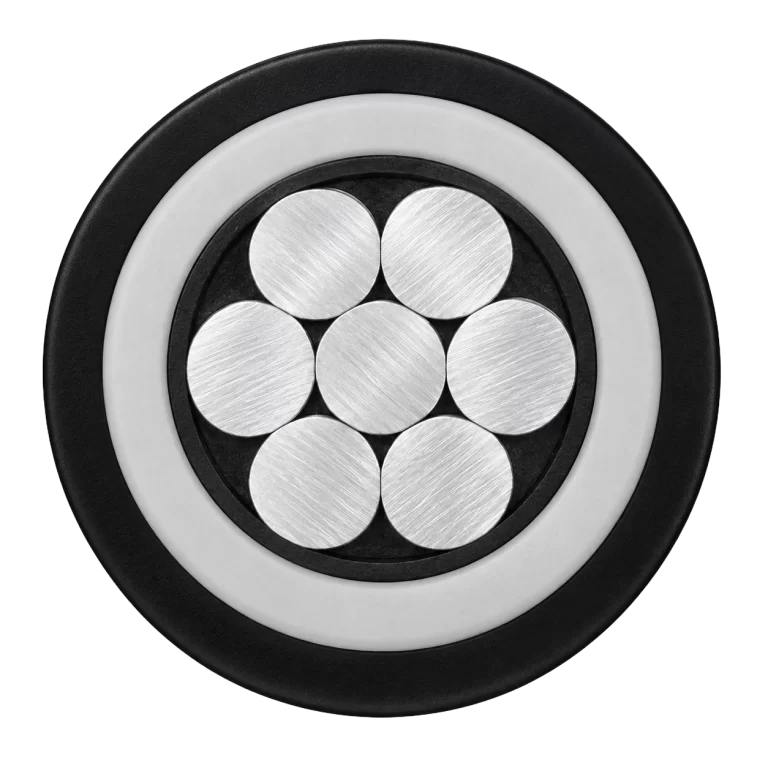
- 1Stranded conductorLongitudinally water-tight ACSR / AAAC / AL-7 / AL, or high-temperature conductor
- 2Semi-conducting screenWater-swellable semi-conducting tape plus extruded semi-conducting compound
- 3Inner insulationXLPE, carbon free
- 4Outer insulationUV-protected, anti-tracking black XLPE / HDPE — screen and both insulation layers co-extruded and bonded together
Standards & approvals
ComplianceManufactured to SS-EN 50397-1, BS EN 50182, IS 398-2, IS 398-4 and IEC 61089, and type tested at CPRI Bengaluru and ERDA Vadodara. The AL59 ACS conductor has additionally been tested by GUVNL and IIT Gandhinagar. Accessories comply with EN 50397-2. Test certificates and detailed technical particulars are issued on request — please confirm the standard your project is tendered against.
SS-EN 50397-1BS EN 50182IS 398-2IS 398-4IEC 61089
Applications
Where it's usedMVCCs are an idealSafe solution for power lines through forestsDense vegetationWildlife sanctuariesRiversLakes
Not sure which size you need?
Open calculator →Use the APAR Wire-Size Calculator to size a circuit in seconds.
Documents
DownloadsFAQs
Good to knowMVCCs are an ideal and safe solution for power lines through forests, dense vegetation, wildlife sanctuaries, rivers, lakes, railway and road crossings, slums, congested residential areas, industrial and polluted areas.
Use the enquiry form on this page or the Request a Quote option, and APAR's team will respond with availability and details for your requirement.
Sizing or selecting a cable? Browse our guides & charts →
Request information
Get a quoteRequest a quote
Tell us your requirement — our team will get back to you.
Enquiry about: EHV/MV overhead covered conductors · Electrical Cables
✓ We reply within 1 business day✓ No spam — your details are used only for this enquiry
Get EHV/MV overhead covered conductors
Enquire for pricing, request the datasheet, or apply to become an authorised dealer.