
Cable Solutions · Electrical Cables
Railway signalling cables
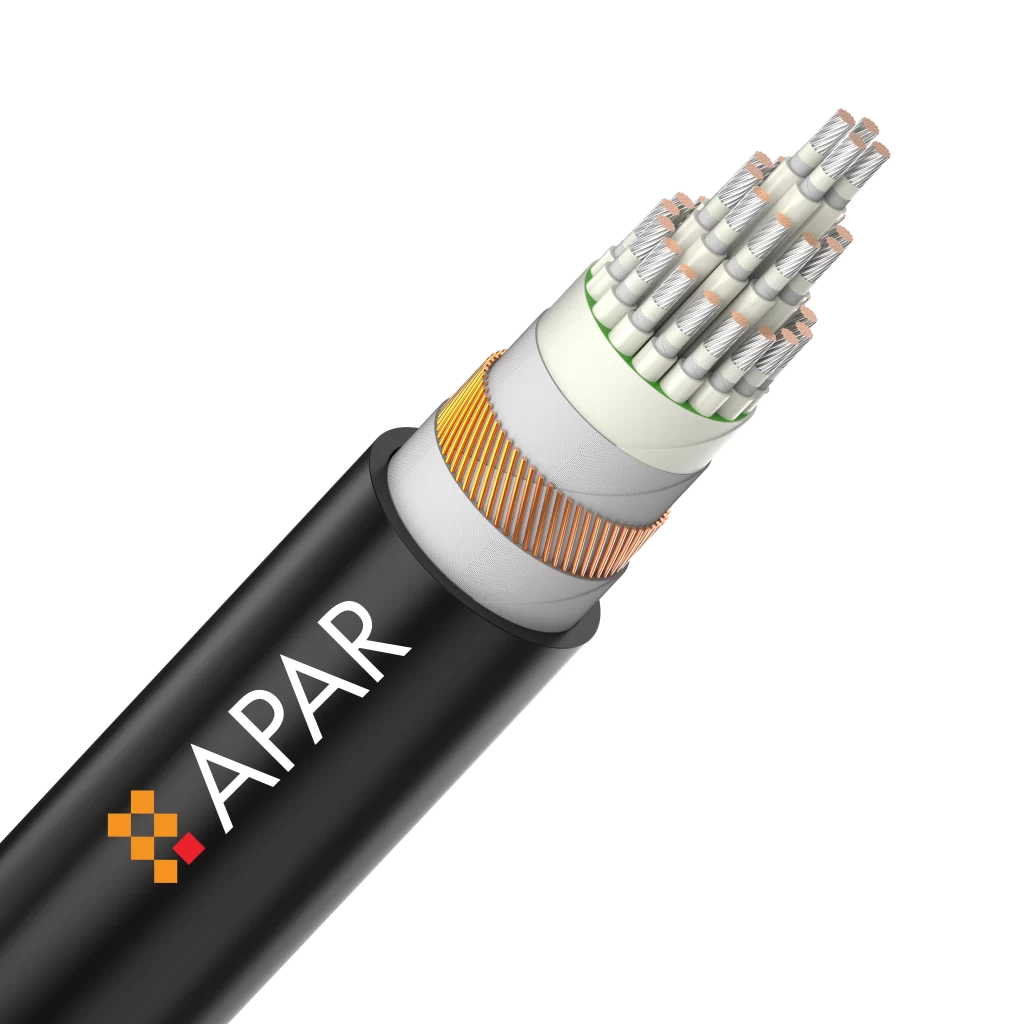
APAR’s rail signalling cables incorporate a unique design to ensure the smooth running of railway networks.
StandardIRS S 63/2007
Voltage rating650/1100 V
Temperature range−25°C to +85°C
ConductorTinned copper
✓ IRS S 63/2007
✓ 650/1100 V
✓ −25°C to +85°C
✓ LSZH option
Description
Overviewwhich keeps rail networks moving safely. They are suitable DC circuits, where the nominal voltage to earth does not exceed 1100 V, and are suitable for installation in ducts. Application Based on their application and design, these cables are ideal for internal applications, like free wiring installations in ducting, relay rooms, signal boxes, REBs and location cases. Some designs are used between equipment boxes, signal boxes, relay rooms and location cases. Others are for tunnels and underground purposes. These cables are suitable for AC systems (earthed or unearthed), for rated voltages up to and including 1100 V, and DC systems for rated voltages up to and including 1500 V to earth. Characteristics Cables with these specifications have the advantage of elastomer or Low Smoke Zero Halogen (LSZH) type insulation over the tinned copper conductors. Their voltage ratings are 650/1100 V, a
Why this wire
Key benefits Built to IRS S 63/2007 Manufactured to the Indian Railways signalling specification.
Tinned copper conductor Protected against oxidation over long service life.
EPR or LSZH Heavy-duty EPR/PCP, or light-duty LSZH for internal use.
−25°C to +85°C Rated across the full trackside temperature range.
Types A to E TYPE A/B/C/D/E 1, 2 and 3 signalling cables.
Single, twin, multicore For relay rooms, signal boxes, REBs and location cases.
Characteristics
At a glance| Application | Based on their application and design, these cables are ideal for internal applications, like free wiring installations in ducting, relay rooms, signal boxes, REBs and location cases. Some designs are used between equipment boxes, signal boxes, relay rooms and location cases. Others are for tunnels and underground purposes. These cables are suitable for AC systems (earthed or unearthed), for rated voltages up to and including 1100 V, and DC systems for rated voltages up to and including 1500 V to earth. |
|---|---|
| Characteristics | Cables with these specifications have the advantage of elastomer or Low Smoke Zero Halogen (LSZH) type insulation over the tinned copper conductors. Their voltage ratings are 650/1100 V, and they have an operating temperature range of -25°C to +85°C. |
| Applicable standards | IRS: S 63/2007 |
| Product range | Heavy-duty EPR insulated, and heavy-duty PCP sheathed single, twin and multi core cables.Light duty LSZH sheathed single and multi core cables for internal use.TYPE A/B/C/D/E 1, 2 & 3 railway signalling cables. |
| Advantages | These cables ensure that there is no interruption in the transmission of signals, and ensure continuous power supply alongside tracks for signalling. |
| IRS S 63/2007 | The Indian Railways signalling specification these cables are built to, at 650/1100 V grade. |
| Heavy-duty (EPR/PCP) | EPR insulation with a PCP sheath for exposed and outdoor routes needing weather and mechanical resistance. |
| Light-duty (LSZH) | LSZH sheath for indoor use where low smoke and zero halogen matter. |
| Types A to E | The specification defines cable types for different core arrangements and duties; the right type depends on the signalling circuit — confirm with our team. |
| Where it's used | Relay rooms, signal boxes, location cases, tunnels and underground routes. |
Construction
Cutaway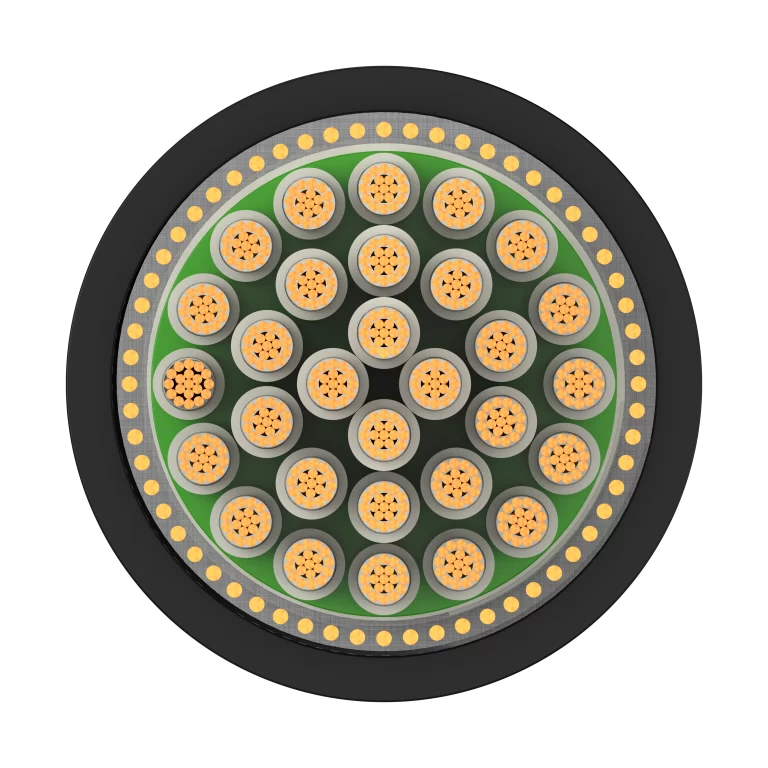
- 1ConductorStranded, sized and specified for the application
- 2InsulationCompound selected for the product type and temperature rating
- 3Printed identificationGrade, size, voltage and applicable standard
Standards & approvals
ComplianceManufactured to IRS S 63/2007, and tested in APAR's NABL-accredited laboratory. Test certificates and detailed technical particulars are issued on request — please confirm the standard your project is tendered against.
IRS S 63/2007
Applications
Where it's usedBased on their applicationDesignLike free wiring installations in ductingRelay roomsSignal boxesREBs
Not sure which size you need?
Open calculator →Use the APAR Wire-Size Calculator to size a circuit in seconds.
Documents
DownloadsMore products
Explore the range
FAQs
Good to knowTypical applications include based on their application, design, like free wiring installations in ducting, relay rooms. Contact our technical team to confirm suitability for your specification.
Based on their application and design, these cables are ideal for internal applications, like free wiring installations in ducting, relay rooms, signal boxes, REBs and location cases.
Use the enquiry form on this page or the Request a Quote option, and APAR's team will respond with availability and details for your requirement.
Sizing or selecting a cable? Browse our guides & charts →
Request information
Get a quoteRequest a quote
Tell us your requirement — our team will get back to you.
Enquiry about: Railway signalling cables · Electrical Cables
✓ We reply within 1 business day✓ No spam — your details are used only for this enquiry
Get Railway signalling cables
Enquire for pricing, request the datasheet, or apply to become an authorised dealer.