
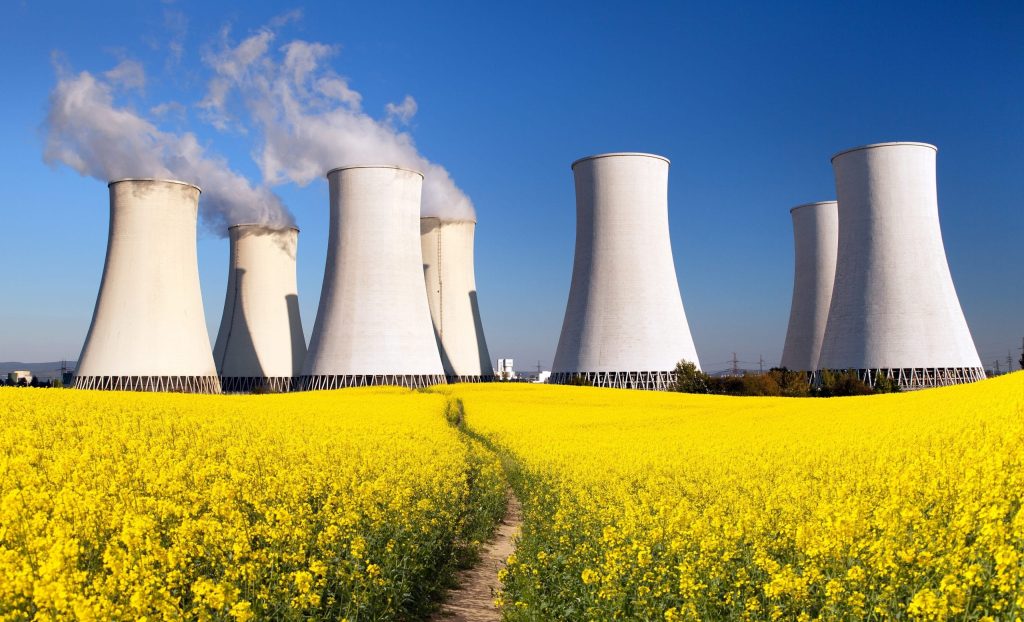
Radiation resistant cables
Description
OverviewInsulated with different materials based on application including ETFE, special thermoplastic & thermoset compounds, cross linked polyolefin (XLPE/XLPO), polyurethane (TPU) and polyimide (taped or TPI extruded), PEEK etc, they meet the demanding requirements of scientific and nuclear applications. They can be used as instrumentation, control and sensor cables in nuclear plants, or in particle detectors. The instrument and control cables for nuclear reactors are exposed to temperatures, dose rates, and accumulated doses during the anticipated 40 – 60 year operational life of the nuclear power plant fleet. Cables meet Mould growth, Anti Rodent, Anti Termite, Thermal Ageing followed by Radiation resistance test, LOCA test and MSLB test meeting IEEE-383 and associated fire performance tests. Technical information Up to +100°C: halogen-free XLPE/XLPO (50-100 Mrad*) Up to +125°C: halogen-free
Standard polymers degrade under sustained radiation. These cables use compounds selected to retain insulation and mechanical properties over long exposure in nuclear plant and research facilities.
Why this wire
Key benefitsCharacteristics
At a glance| Application | These cables can be used as instrumentation, control and sensor cables in nuclear plants or in particle detectors. |
|---|---|
| Characteristics | The radiation resistance of materials is defined using the Radiation Index (RI) in IEC 60544-4 and refers to the point at which the elongation break is reduced to ≥50% of the original value.1 Gy = 100 rad; 1Gy = 1J/kg The resistance of cables, wires and other products for connection technology against ionizing radiation plays a particularly crucial role in nuclear plants. In addition to the suitability of the products themselves, all the processes also need to meet the special requirements of such application areas. Temperature: Range – 20 Deg C to + 200 Deg C. |
| Applicable standards | Customer standard |
| Product range | Cable sizes started from 0.34 sq. mm onwards |
| Advantages | The instrument and control cables in nuclear reactors get exposed to temperatures, dose rates, and accumulated doses for the 40- 60year operational life of the nuclear power plant fleet. The chemical, electrical, and mechanical performance of each was analyzed as a function of environmental exposure and composition. |
Construction
Cutaway- 1ConductorStranded, sized and specified for the application
- 2InsulationCompound selected for the product type and temperature rating
- 3Printed identificationGrade, size, voltage and applicable standard
Standards & approvals
ComplianceManufactured to the applicable Indian and international standards for this cable type, and tested in APAR's NABL-accredited laboratory. Please contact us for the specific standards, test certificates and detailed specifications for your project.
Applications
Where it's usedUse the APAR Wire-Size Calculator to size a circuit in seconds.
Documents
DownloadsFAQs
Good to knowThese cables can be used as instrumentation, control and sensor cables in nuclear plants or in particle detectors.
Use the enquiry form on this page or the Request a Quote option, and APAR's team will respond with availability and details for your requirement.
Sizing or selecting a cable? Browse our guides & charts →
Request information
Get a quoteRequest a quote
Tell us your requirement — our team will get back to you.
Enquire for pricing, request the datasheet, or apply to become an authorised dealer.