
APAR Blog
Guides, technology explainers and updates from APAR Cable Solutions.
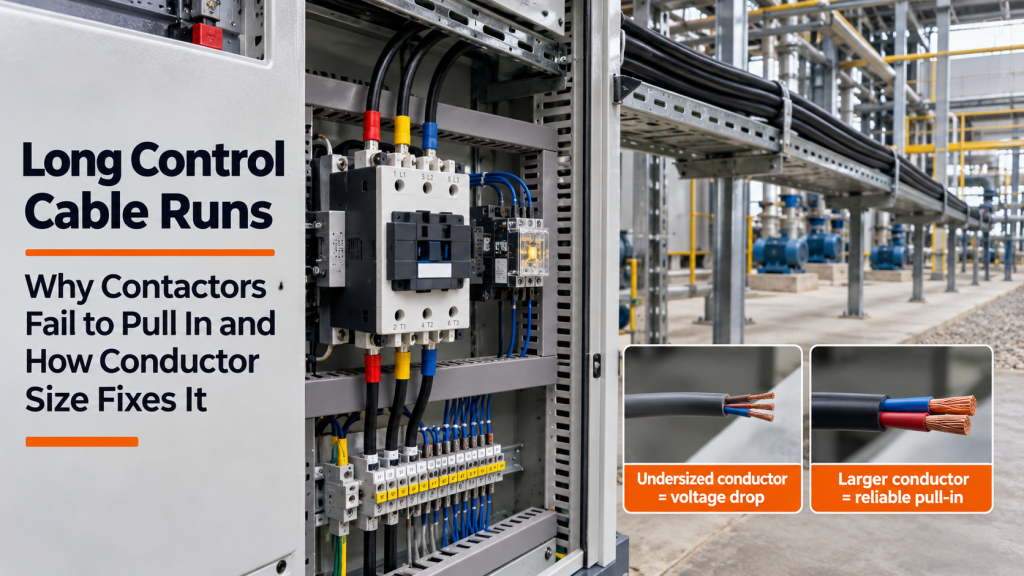
Long Control Cable Runs: Why Contactors Fail to Pull In and How Conductor Size Fixes It
A contactor coil that closes on the bench can fail at the end of a 200 m control run. A worked voltage example and four remedies, from parallel…
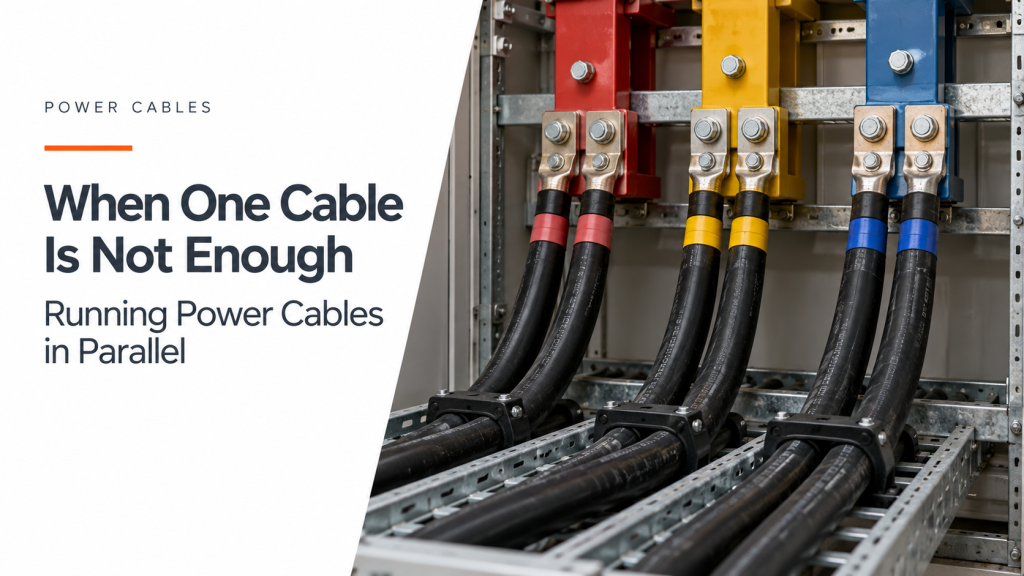
When One Cable Is Not Enough: Running Power Cables in Parallel
Parallel cables share current in inverse proportion to impedance. What must match, how to derate the group, and when one larger cable is the better answer.
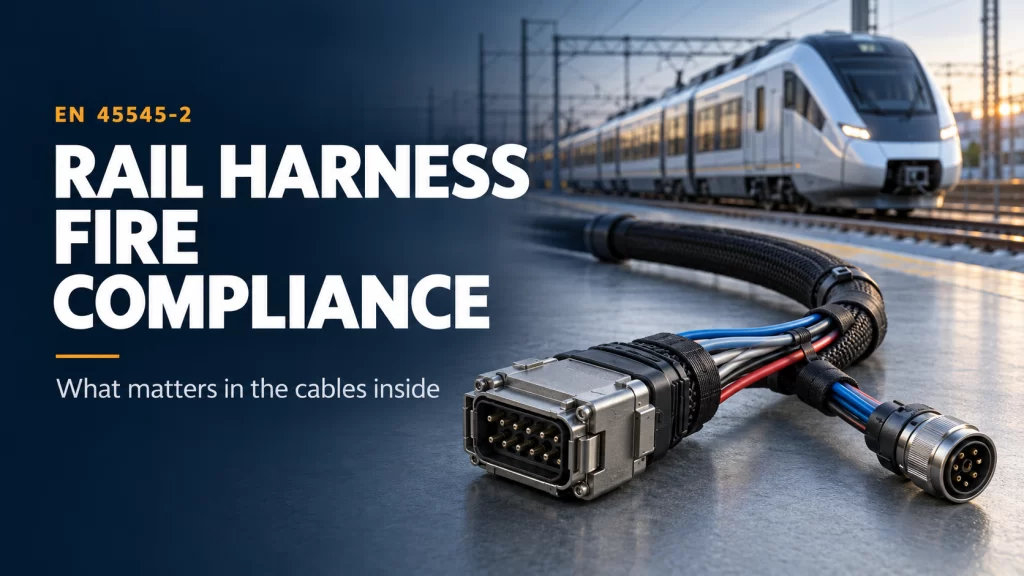
EN 45545-2 on Rail Harnesses: What Fire Compliance Means for the Cables Inside
EN 45545-2 judges materials and components, not the finished harness. How R15 and R16 cable requirements work, where rail harness assemblies leave gaps, and how to specify the…
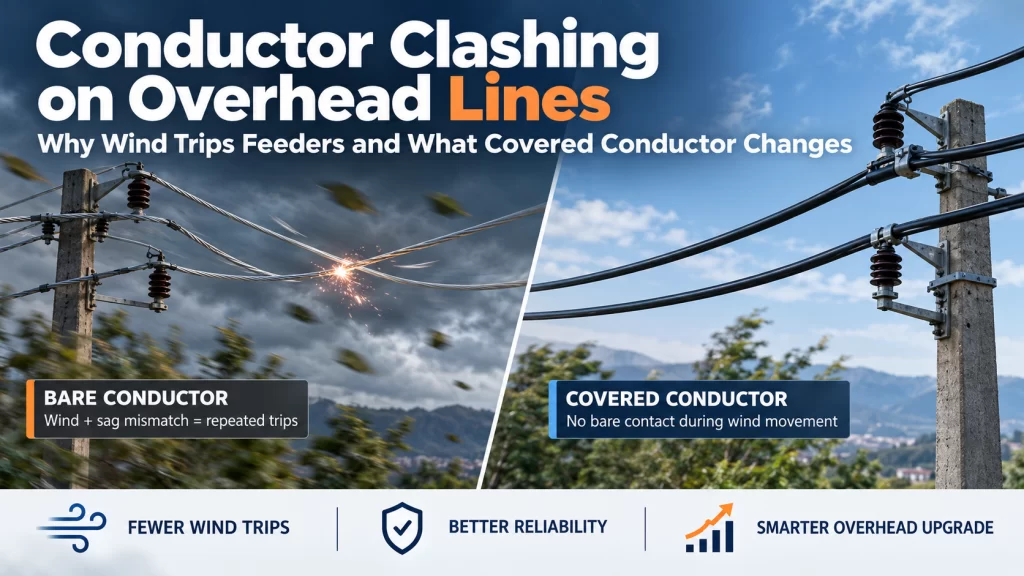
Conductor Clashing on Overhead Lines: Why Wind Trips Feeders and What Covered Conductor Changes
Conductor clashing trips overhead feeders in wind and leaves no trace. This post sets out why bare phases clash, what the usual remedies cost, and what a covered…
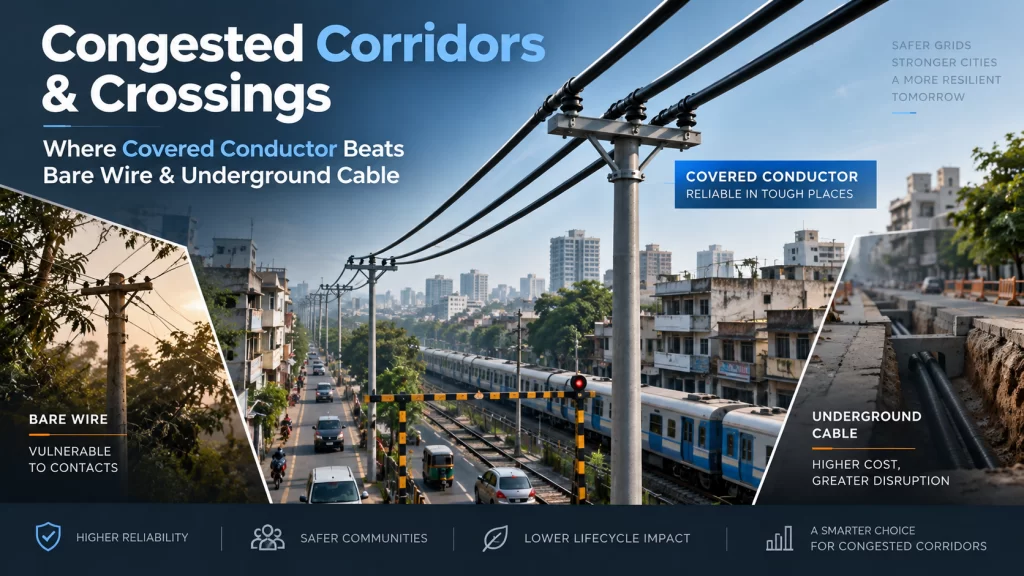
Congested Corridors and Crossings: Where Covered Conductor Beats Bare Wire and Underground Cable
Rivers, rail crossings, forest edges and narrow urban rights of way push bare overhead lines and underground cables to their limits. This post sets out where medium voltage…
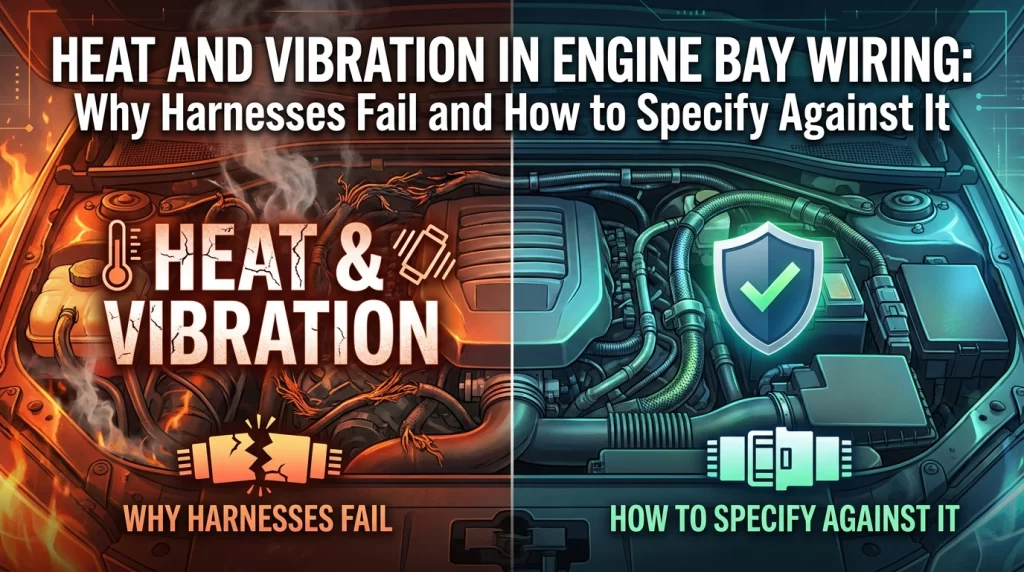
Heat and Vibration in Engine-Bay Wiring: Why Harnesses Fail and How to Specify Against It
Most engine-bay wiring faults trace back to heat ageing, chafing and vibration fatigue at terminations. How each failure starts, and what a harness specification should demand to prevent…
Showing 6 of 45 articles